









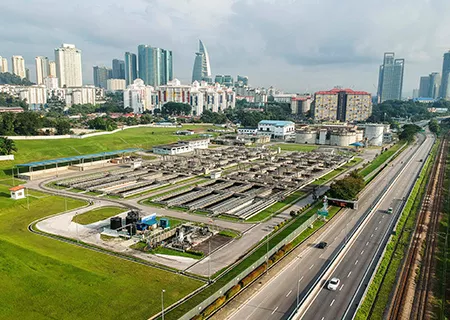
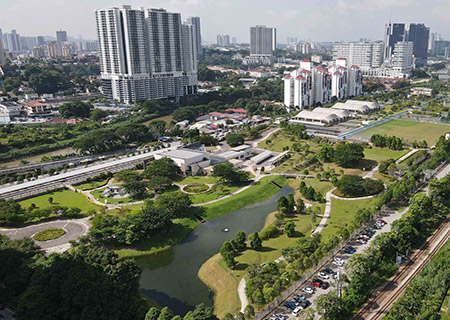
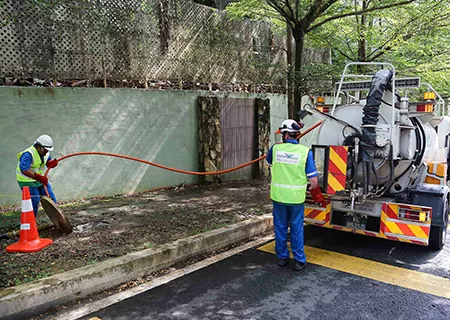
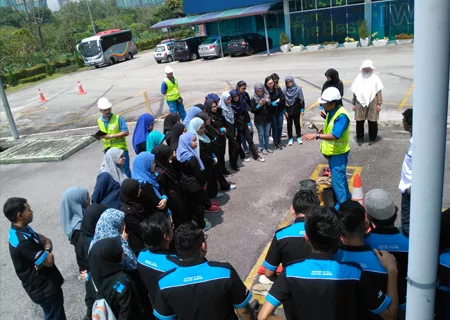
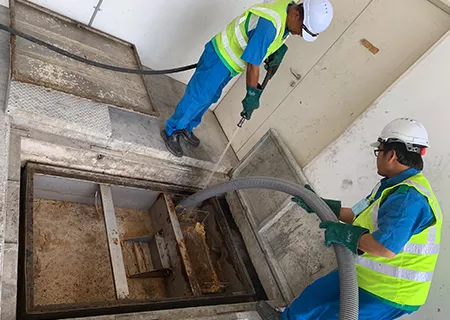




Indah Water Konsortium, a company owned by Minister of Finance Incorporated, is Malaysia's national sewerage company which has been entrusted with the tasks of developing and maintaining a modern and efficient sewerage system for all Malaysians.
In 1994, the Federal Government awarded the company the concession for nationwide sewerage service which prior to that, was under the responsibility of local authorities.
Indah Water is now well-positioned to undertake the vital task of ensuring that Malaysians today and in the future will be able to enjoy a clean and healthy environment through a proper and well-maintained sewerage system.
Indah Water Konsortium, a company owned by Minister of Finance Incorporated, is Malaysia's national sewerage company which has been entrusted with the tasks of developing and maintaining a modern and efficient sewerage system for all Malaysians.
In 1994, the Federal Government awarded the company the concession for nationwide sewerage service which prior to that, was under the responsibility of local authorities.
Indah Water is now well-positioned to undertake the vital task of ensuring that Malaysians today and in the future will be able to enjoy a clean and healthy environment through a proper and well-maintained sewerage system.